
Key Takeaways
- Non-surgical next generation hair restoration for thinning hair helps improve hair density by stimulating natural growth without surgery or downtime.
- Thinning hair can be caused by genetics, hormonal changes, stress, poor nutrition, medications, and damaging hair care habits.
- Treatments like Folix hair restoration laser therapy increase blood flow to the scalp and help reactivate weak or dormant hair follicles.
- These options are minimally invasive, safe, and customizable, making them ideal for individuals in the early to moderate stages of hair loss.
- Ongoing treatments can strengthen existing hair, improve overall thickness, and support long-term results.
Hair thinning is a common concern that affects both men and women as they age. For many, noticing a receding hairline or overall thinning can impact confidence and self-esteem. Fortunately, advancements in hair care have introduced non-surgical next generation hair restoration for thinning hair without the need for invasive procedures.
If you’re looking for solutions, hair restoration in Bradenton has become increasingly popular thanks to modern, next-generation treatments. These methods focus on stimulating natural hair growth and improving hair health with minimal downtime. In this blog post, we’ll explore the latest non-surgical next generation hair restoration for thinning hair options, how they work, and the benefits they provide.
You can continue reading to learn more or reach out to us to schedule a free consultation if you want more personalized guidance.
What Causes Thinning Hair?
Thinning hair can occur for a variety of reasons, and in many cases, more than one factor may contribute at the same time. Hair loss can develop gradually, which makes it easy to overlook the early signs until it becomes more noticeable. Understanding the different causes can help you make sense of why hair thinning happens and what approaches might support healthier hair growth. Some of the most common factors include:
- Genetics: Hereditary hair loss, often called pattern baldness, is one of the most common causes for both men and women.
- Hormonal Changes: Shifts in hormones due to menopause, pregnancy, thyroid issues, or other endocrine changes can affect hair growth.
- Stress: Physical stress from illness or surgery, as well as emotional stress, can temporarily disrupt the hair growth cycle.
- Diet and Nutrition: Poor nutrition, vitamin deficiencies, or extreme diets can weaken hair and slow its natural growth.
- Medications: Some medications, including those for blood pressure, depression, or chemotherapy treatments, may lead to hair thinning.
- Environmental and Hair Care Factors: Frequent heat styling, harsh chemical treatments, or certain hair care products can damage hair and contribute to breakage.
Recognizing these causes can be the first step in identifying which strategies may help maintain or improve hair health over time.

Image by pixelshot on Canva
What Is Non-Surgical Hair Restoration?
Non-surgical hair restoration includes treatments that help hair grow back or appear thicker without the need for surgery. These methods do not involve cutting or moving hair. Instead, they focus on improving scalp health, stimulating hair follicles, and supporting natural hair growth.
The treatments can be tailored to each person based on hair type, thinning pattern, and overall hair condition. They may use a mix of therapies, such as light-based treatments, growth factors, or special topical solutions. The goal is to make hair stronger, fuller, and healthier in a safe and comfortable way.
Advanced Non-Surgical Next Generation Hair Restoration Treatment
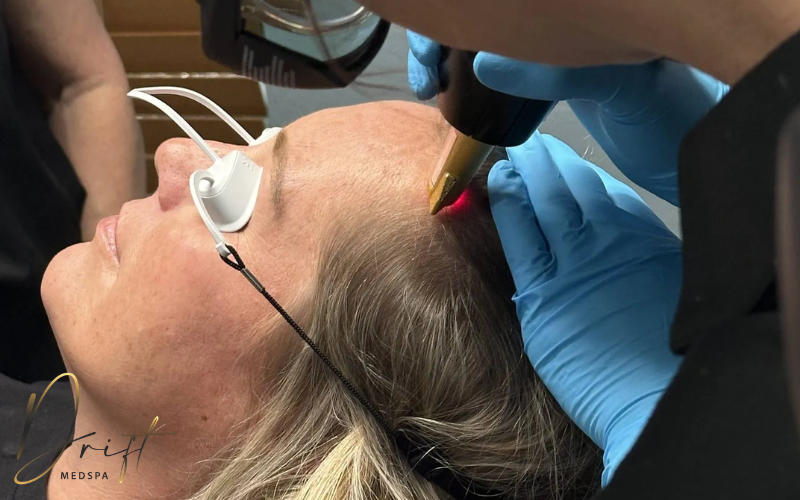
One of the most effective non-surgical next generation hair restoration for thinning hair is laser therapy. This treatment uses low-level light to reach the scalp and improve blood flow to hair follicles. Better circulation helps stimulate dormant follicles and strengthen existing hair, which can make hair look fuller over time.
Laser therapy is usually painless and does not require recovery time. Treatments are typically done at a med spa in Bradenton using advanced devices like Folix, which provide safe and consistent light therapy. With regular sessions, laser therapy can gradually improve hair thickness and scalp health, and many people notice small changes after several weeks of consistent treatment.
Benefits of Non-Surgical Next Generation Hair Restoration for Thinning Hair
Non-surgical hair restoration offers several advantages for people experiencing thinning hair. These treatments focus on supporting natural hair growth and improving overall hair health without the need for surgery. Some of the main benefits include:
- Minimally Invasive
These treatments do not involve cutting, stitches, or long recovery periods. This makes the process easier to manage and less stressful compared to surgical options. - Stimulates Natural Hair Growth
Non-surgical therapies work by activating dormant hair follicles. Over time, this encourages hair to grow naturally and can help improve overall hair density. - Strengthens Existing Hair
Many treatments not only stimulate new growth but also improve the health of hair that is already present. Stronger hair appears fuller, looks healthier, and is less likely to break or thin further. - Safe and Comfortable
Most non-surgical next generation hair restoration treatments for thinning hair are gentle and generally painless. They are designed to be safe, and patients can usually continue their daily activities without interruption. - Boosts Confidence
Thicker and healthier-looking hair can positively impact how people feel about their appearance. Restoring hair density often leads to increased confidence and self-esteem. - Tailored to Individual Needs
Treatments can be customized to each person’s hair type, pattern of thinning, and personal goals. This makes the approach more effective and suitable for different hair concerns.
Non-surgical next generation hair restoration for thinning hair provides a safe, convenient, and effective way to support hair health. It allows people to address thinning hair in a manageable way without the challenges or recovery time associated with surgery.
Frequently Asked Questions
Who is a good candidate for non-surgical hair restoration?
People in the early to moderate stages of hair thinning often respond best. Those who still have active hair follicles usually see better results compared to individuals with complete hair loss in certain areas.
Can non-surgical treatments prevent further hair loss?
While results vary, many treatments aim to slow down ongoing thinning by strengthening follicles and improving scalp health. Early treatment often leads to better long-term support.
What happens if treatments are stopped?
If maintenance treatments are discontinued, hair may gradually return to its previous thinning pattern. Ongoing sessions are often recommended to maintain results.
Final Thoughts
Thinning hair can feel frustrating, but there are options available that do not require surgery. Non-surgical next generation hair restoration for thinning hair focuses on supporting natural hair growth, improving scalp health, and strengthening existing hair. Treatments like laser therapy are designed to be safe, comfortable, and easy to fit into your routine. With consistency and the right approach, many people see gradual improvements in hair thickness and overall hair health.
If you are considering non-surgical hair restoration and want to learn more about your options, you can schedule a consultation with Drift Med Spa to discuss your hair concerns and treatment goals. Our team of experts will evaluate you to help determine whether Folix laser therapy or another non-surgical treatment is a good fit for you. Contact us today!